Melee
The Path of the Jaguar
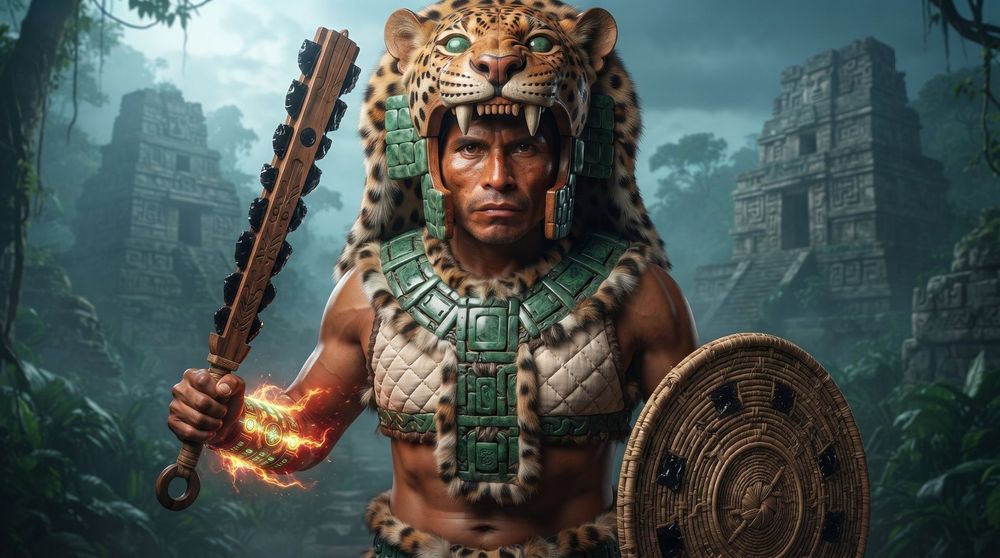
Jun Balam, captain of the Jaguar Warriors. Jaguar helm, ichcahuipilli and obsidian macuahuitl. Endure, strike and let the fury do the rest.

Based on what our grandparents tell.
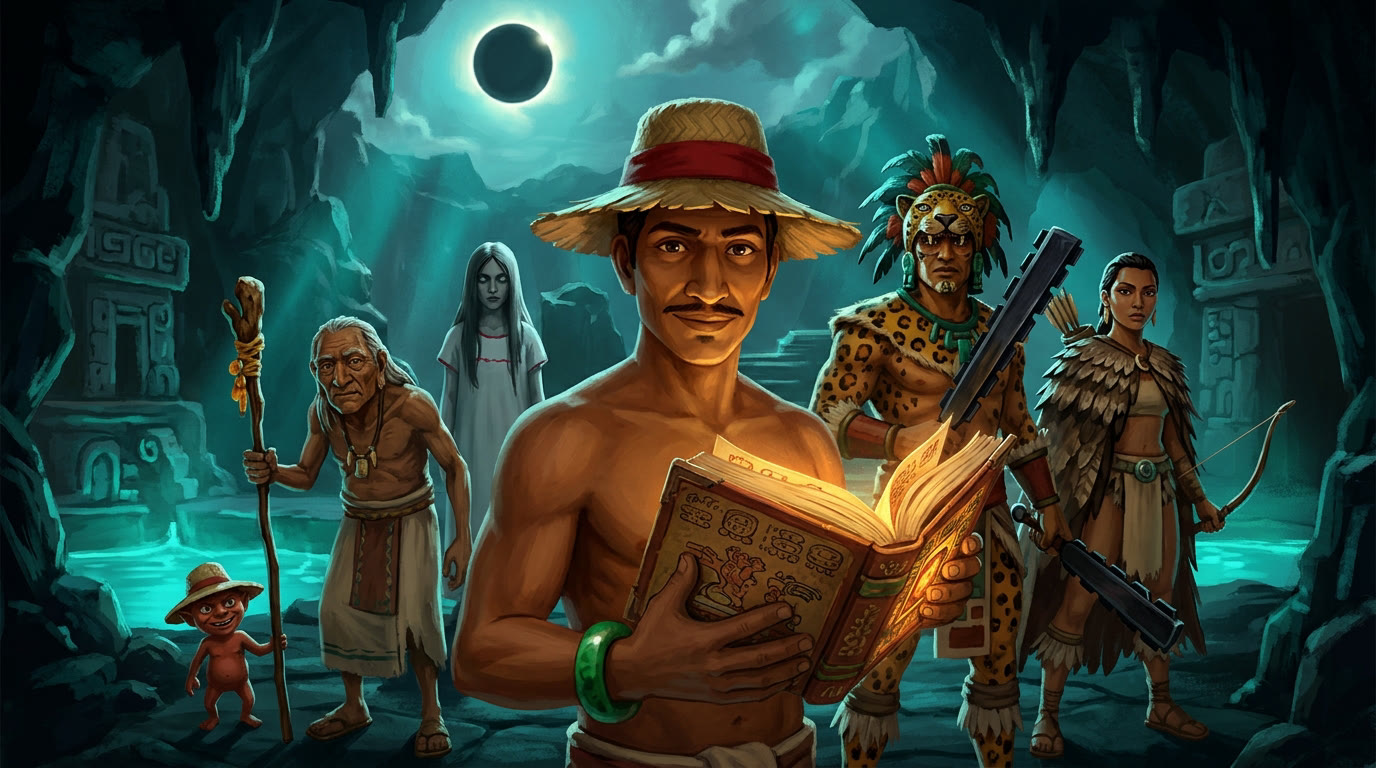
In Xibalbá: El Descenso (The Descent), Jacinto Pech Canché is a fisherman from Calderitas. At the bottom of Taam Ja', the blue hole of Chetumal Bay, he finds a jade cylinder that fuses to his arm… and the bay swallows him whole. To get home, he must descend to the very bottom of Xibalbá.
From the path of the sacred ceibas to the obsidian quarries, from the sunken city of K'ux to the palace of the Lords and their ballgame, all the way down to the Chamber of the Black Sun. Every level is inspired by real sites in southern Quintana Roo and Campeche.
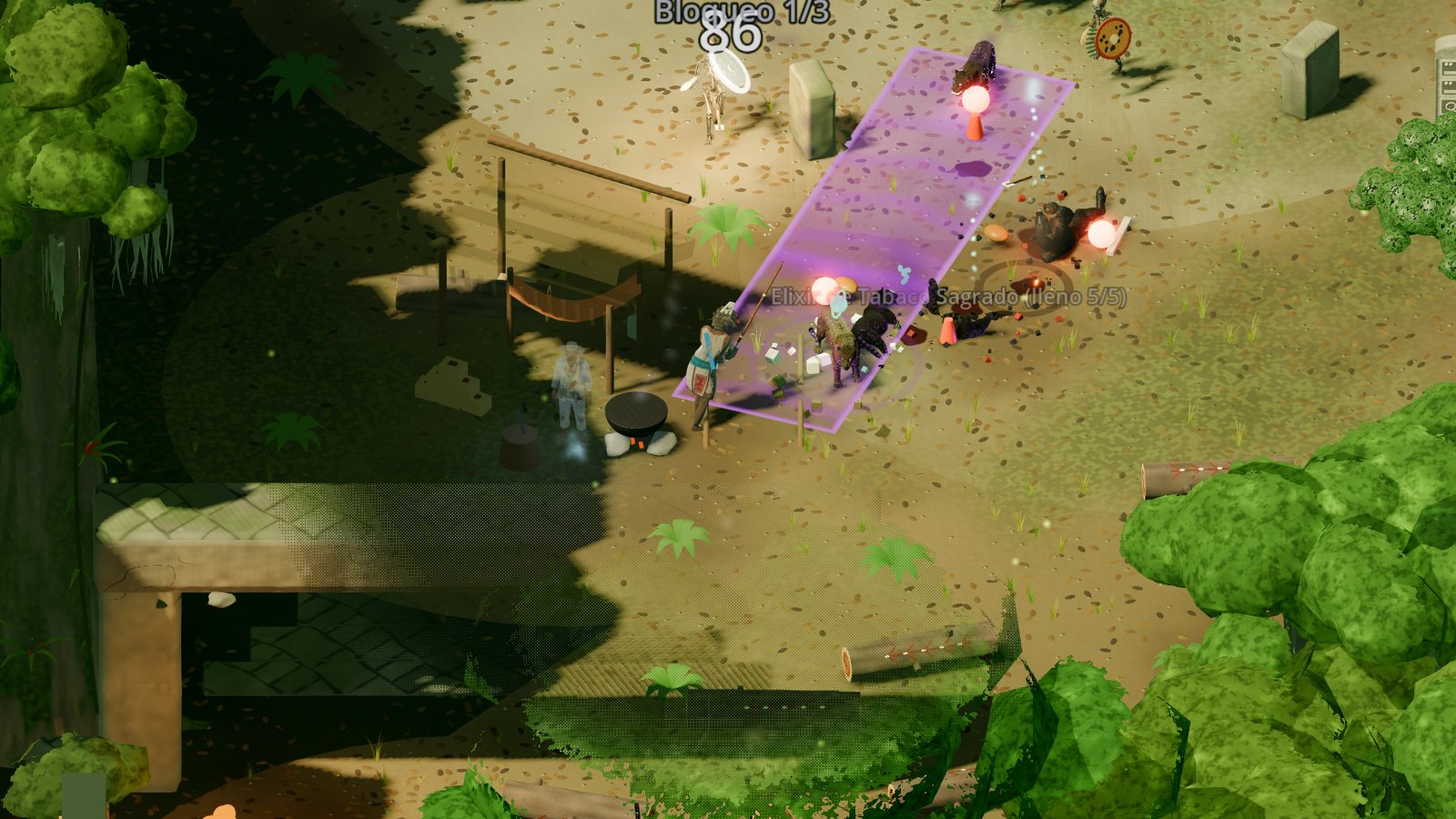
Direct action combat: click to move, weighty hits and enemies that telegraph their attacks. Read the animation, dodge and punish.
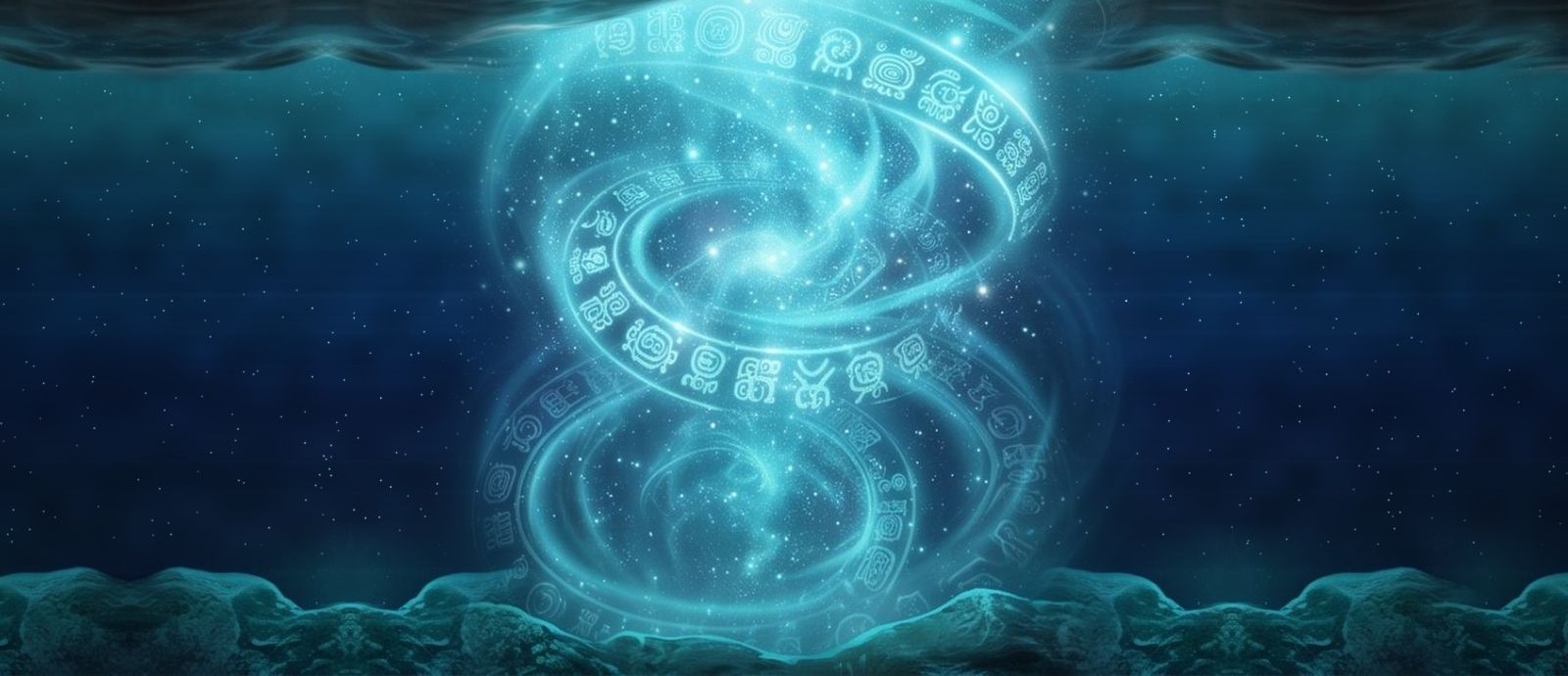
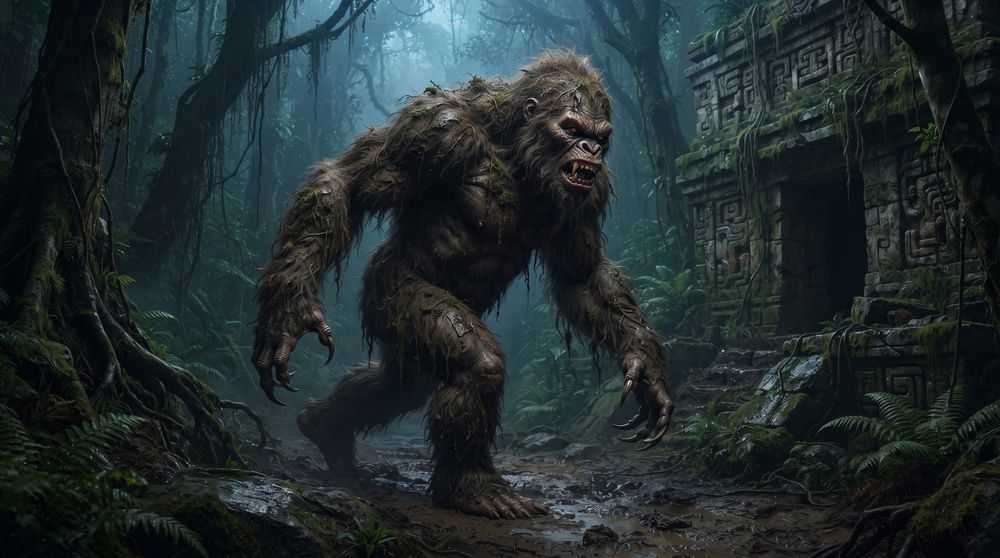
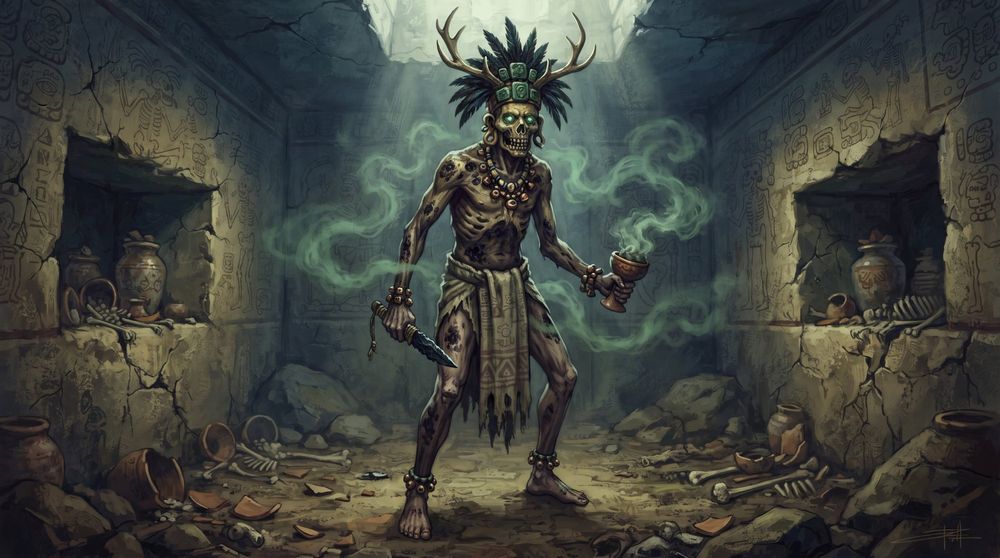
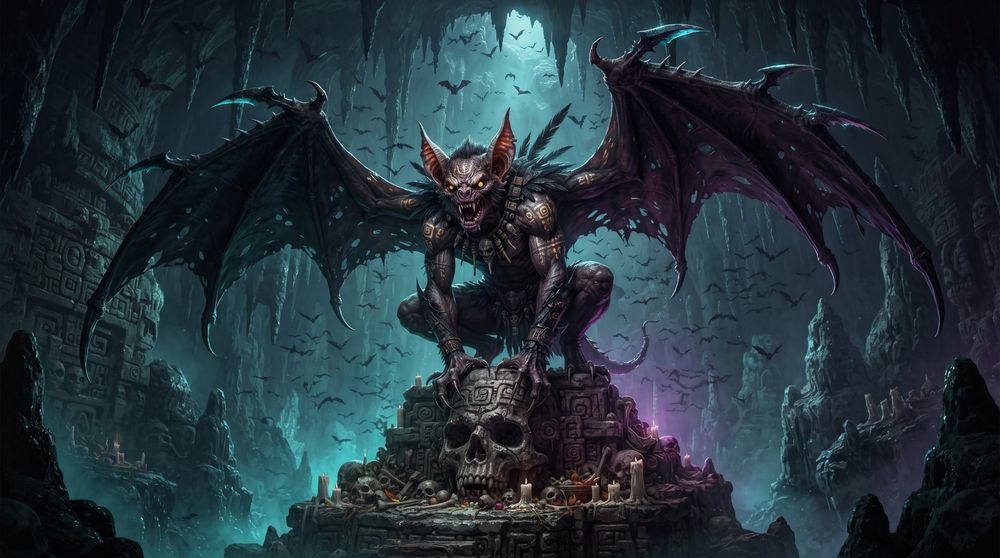
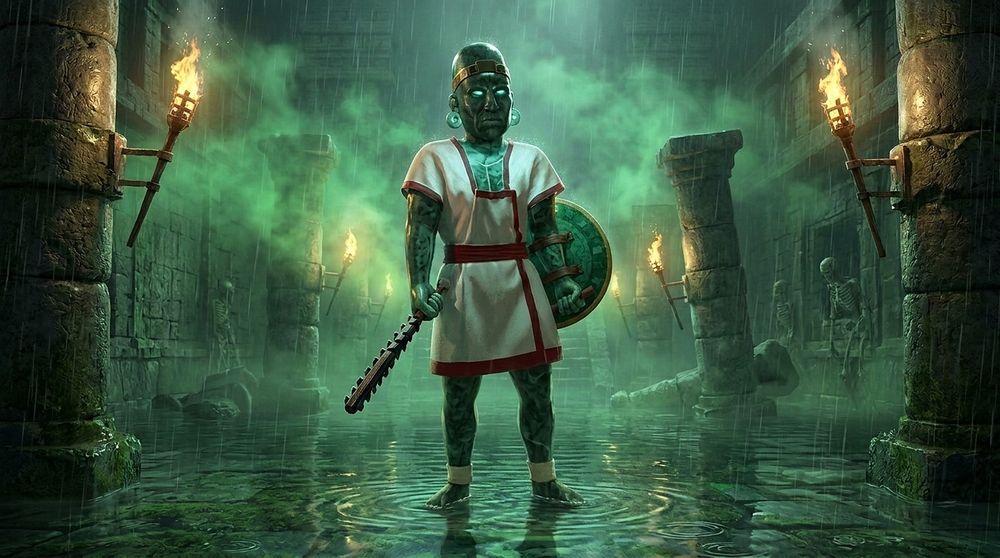
The Popol Vuh and the legends of the peninsula: Xtabay, Huay Chivo, aluxes, Sisimito, Tsukan, Camazotz, Hun-Camé and Vucub-Camé.
Melee with the Jaguar, ranged with the Eagle or magic with the Sun. Each with its own skill tree, glyphs and style.
Death is not the end: your soul walks the path back, guided by an alushe, while the Lords mock you. Now also a mobile game.
Every creature holds a story. Gather their echoes and discover who Jacinto was before: jaguar, turtle, hummingbird, ceiba…
Tunkul, huehuetl, turtle shell, rattles, clay flute and conch shell, in original epic themes.
In the depths, darkness drives you mad. Torches, braziers and the fire of K'inich are your refuge.
At the Shrine, Jacinto tests the strength of three ancient champions and takes up their path.
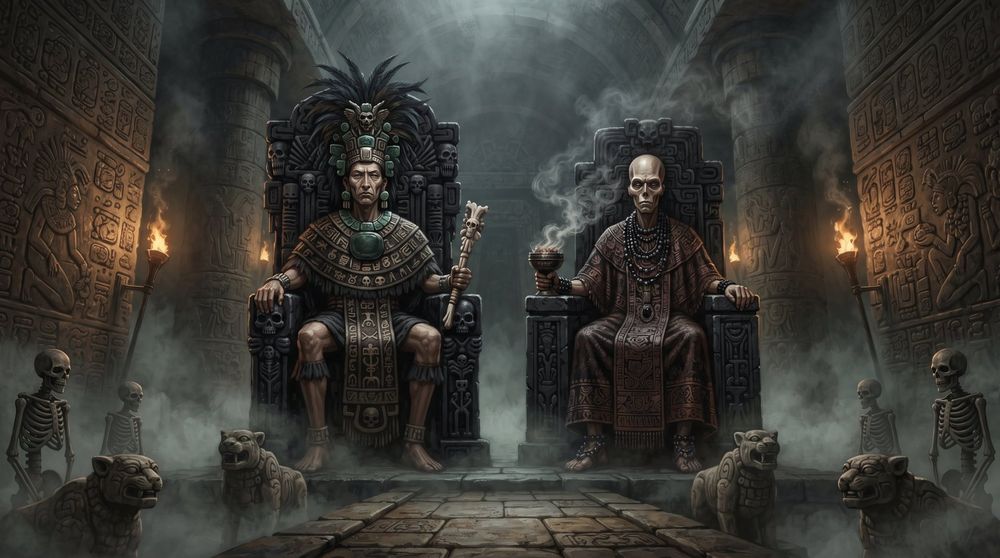
Jun Balam, captain of the Jaguar Warriors. Jaguar helm, ichcahuipilli and obsidian macuahuitl. Endure, strike and let the fury do the rest.
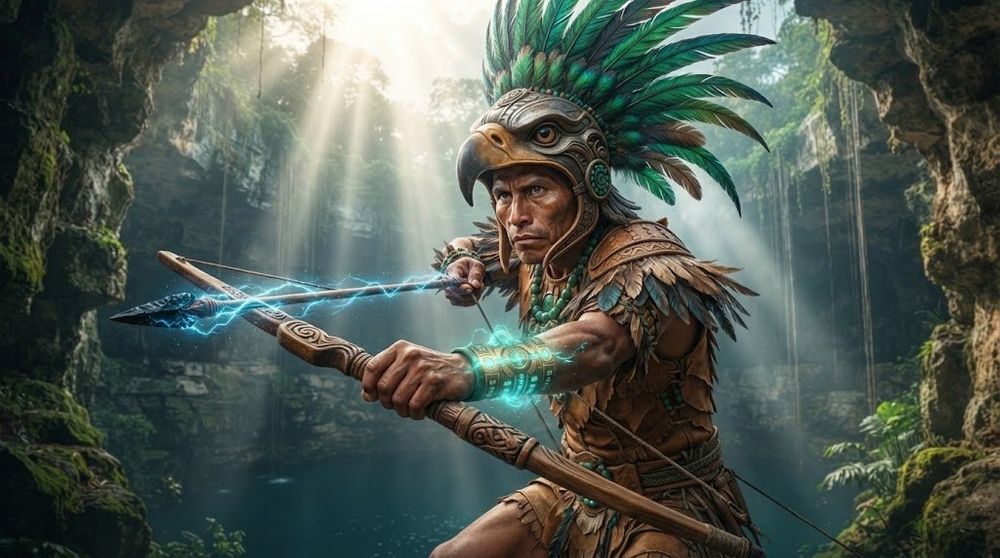
Ish Chak Kot, huntress of Ichkabal. Atlatl darts charged with lightning from the sky: never let them reach you.
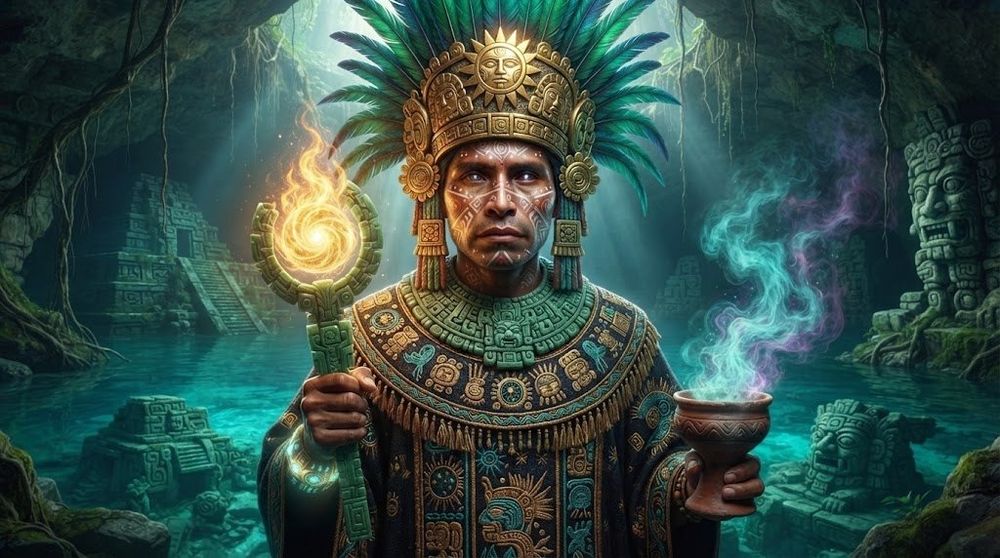
Aj Tsib Kíin, priest of the Sun. Chaac's lightning, copal and the fire of K'inich; the alushes fight at your side.
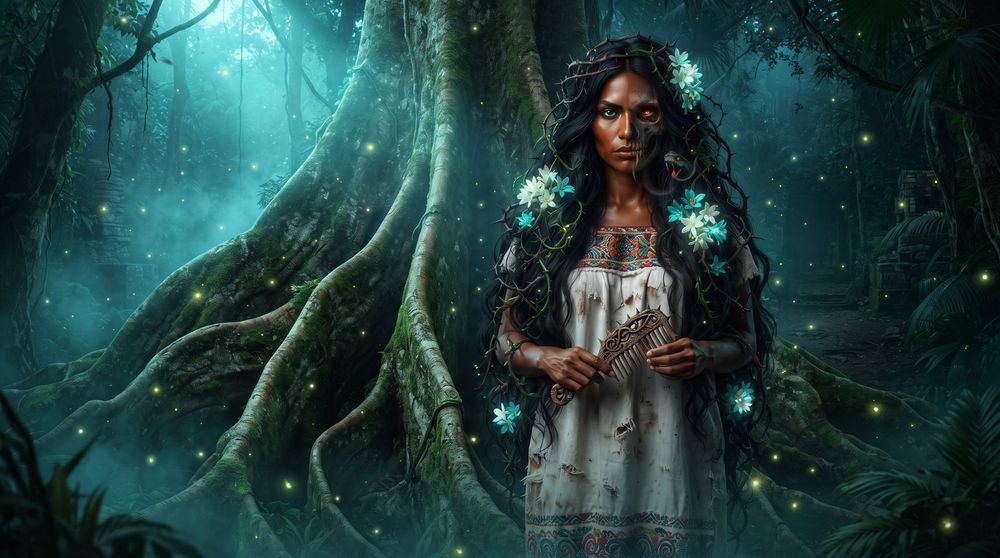
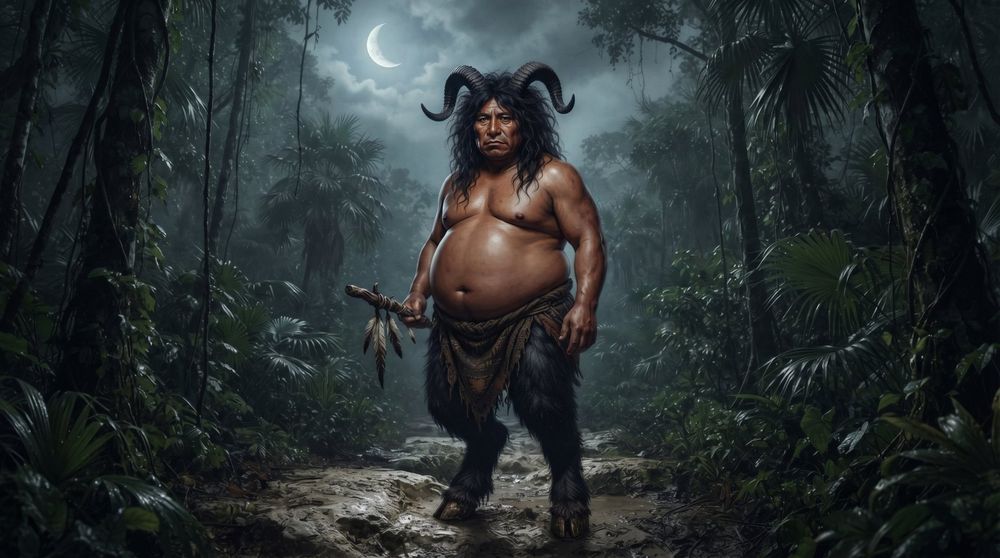
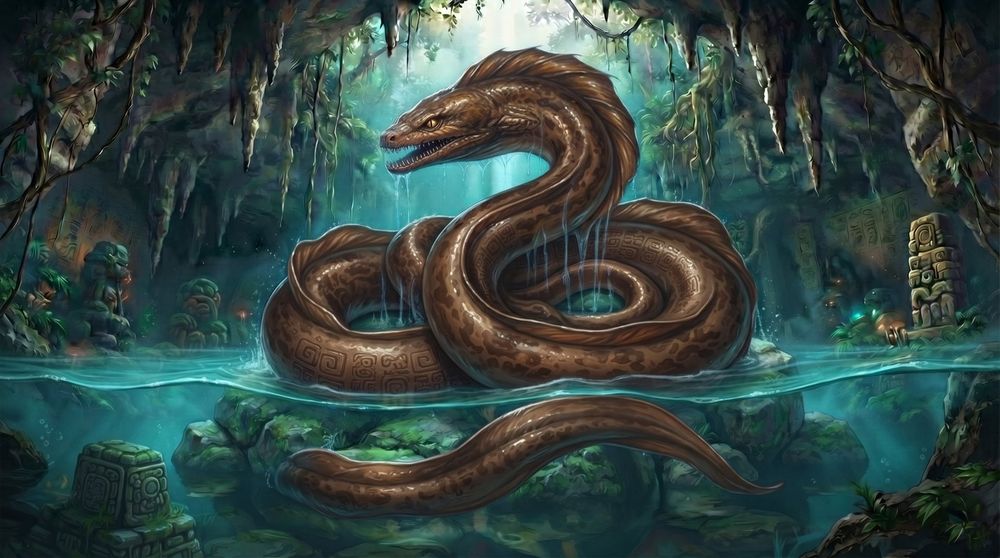
The same descent in two styles: realistic light and stone, or flat colors and ink linework like the pages of a Maya codex. Switch anytime from the options menu. Drag the line to compare.
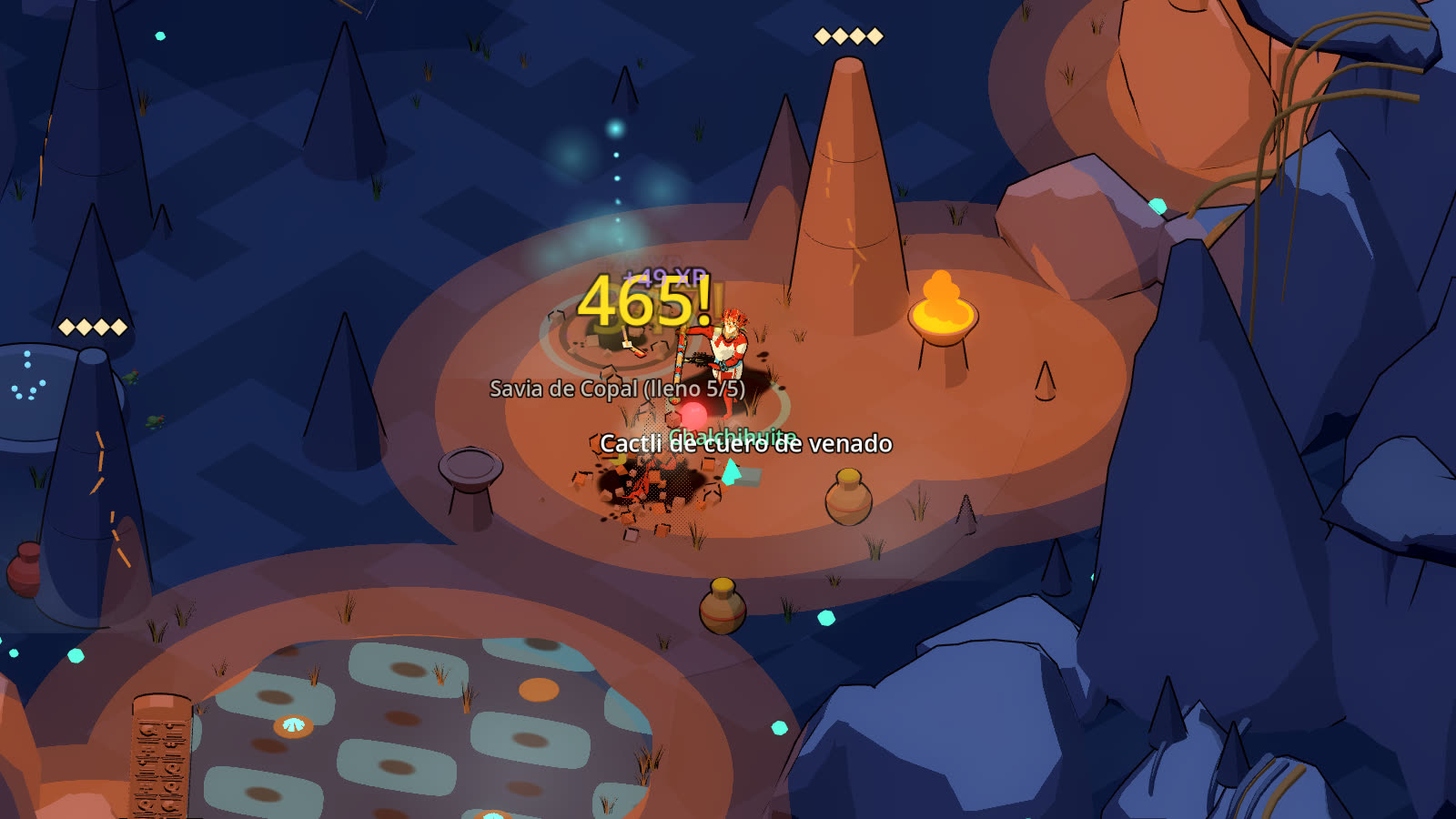
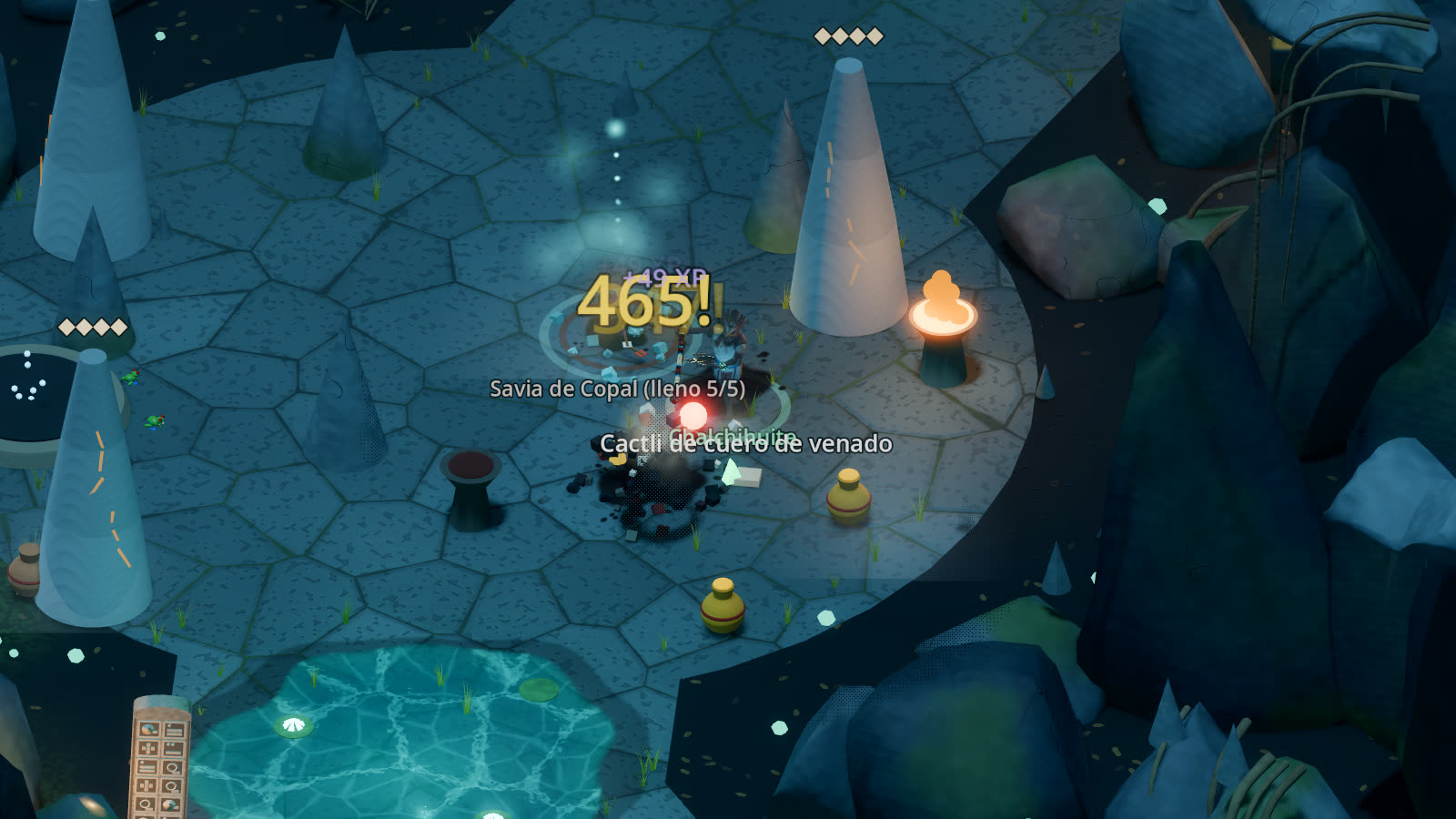 RealisticCodex
Each site is an expedition in the game. We start from what is really there (its architecture, its light, its history) and turn it into a level with its own puzzle. Anyone who plays and then visits the site will recognise what they already walked through.
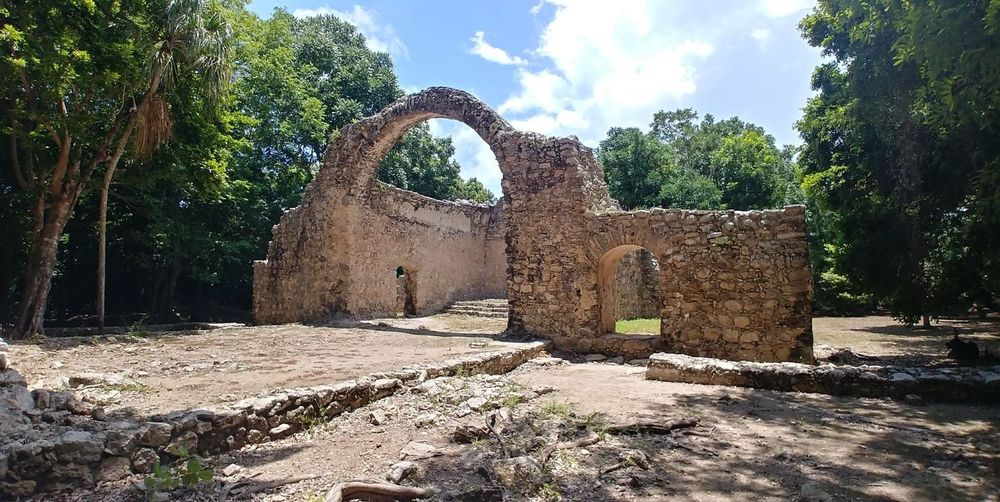 OxtankahPhoto courtesy of chetumaltours.com
What you'll see there: A city facing Chetumal Bay, with the Plaza of the Bees and a 16th-century Spanish open chapel built from Maya stones. Tradition places here the life of Gonzalo Guerrero and Zazil Há, the beginning of mestizaje.
In the game: The turquoise light of the bay, the mangroves, the chit palms and the ruined chapel. You turn pyrite mirrors to carry a sunbeam to Zazil Há's crypt.
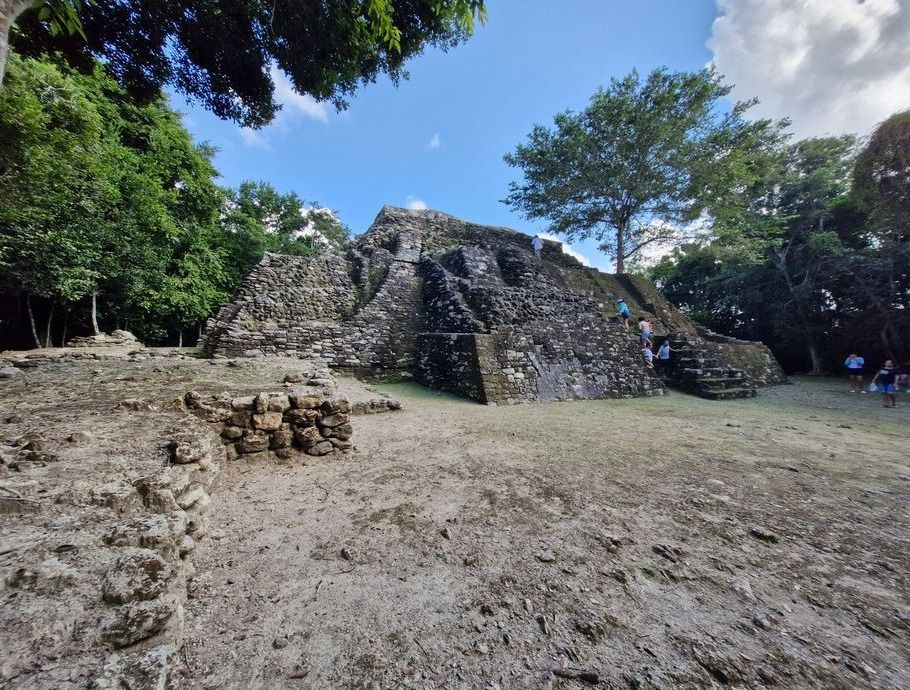 IchkabalPhoto courtesy of chetumaltours.com
What you'll see there: A Preclassic city from around 400 BC, with platforms among the largest in the Maya world, hidden in the Bacalar jungle.
In the game: The white saskab sacbé crossing the high jungle and the stucco masks. To open the acropolis you balance counterweights with sacks counted in Maya numerals.
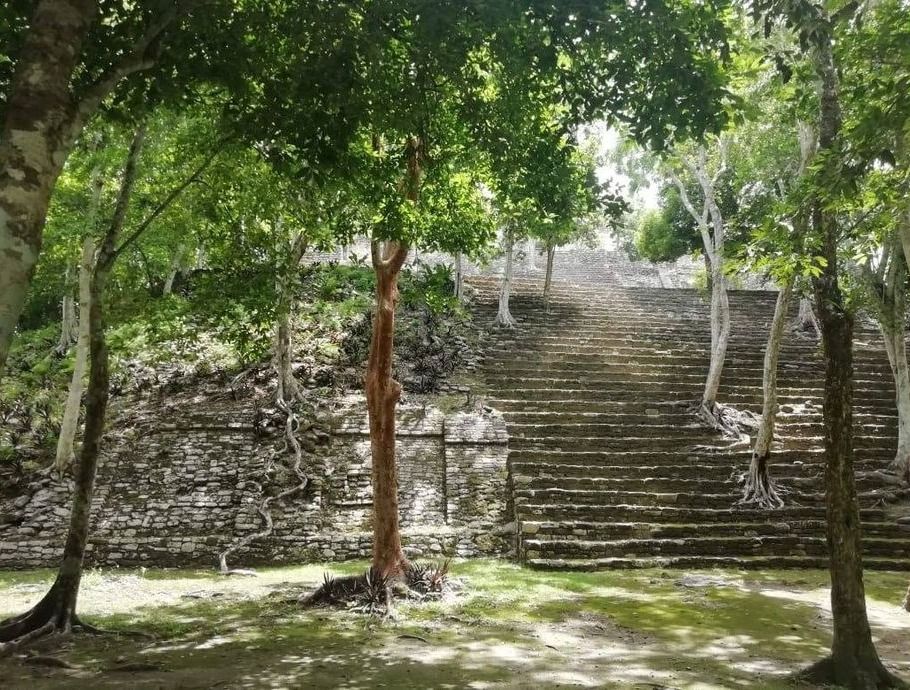 Dzibanché and KinichnáPhoto courtesy of chetumaltours.com
What you'll see there: The first capital of the Kaanul dynasty, "the Snake people". Its Xibalbá Plaza holds the Temple of the Owl and the Temple of the Captives, with prisoners carved on the steps; in the distance, the Kinichná acropolis.
In the game: The Xibalbá Plaza is the game's doorway to the underworld. The steps change glyphs until they spell the lineage: Kaan · K'in · Balam · Kaan.
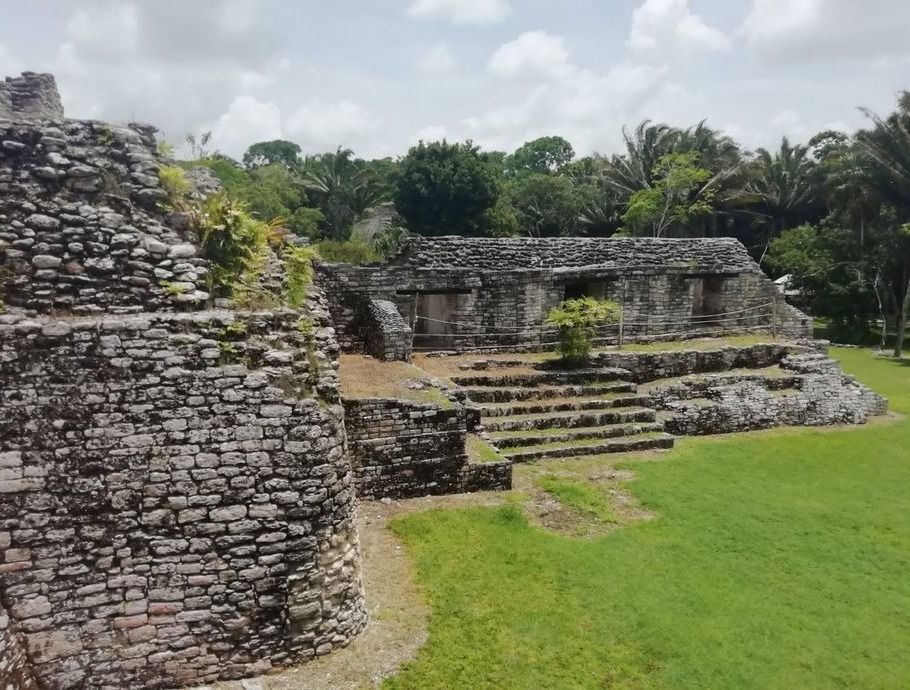 KohunlichPhoto courtesy of chetumaltours.com
What you'll see there: A city among cohune palms, famous for the Temple of the Masks: stucco faces of the sun god over two metres tall that still keep their red paint.
In the game: The masks of K'inich Ajaw watch over the plaza. You turn stone discs until the sun bounces off them and lights up all four faces.
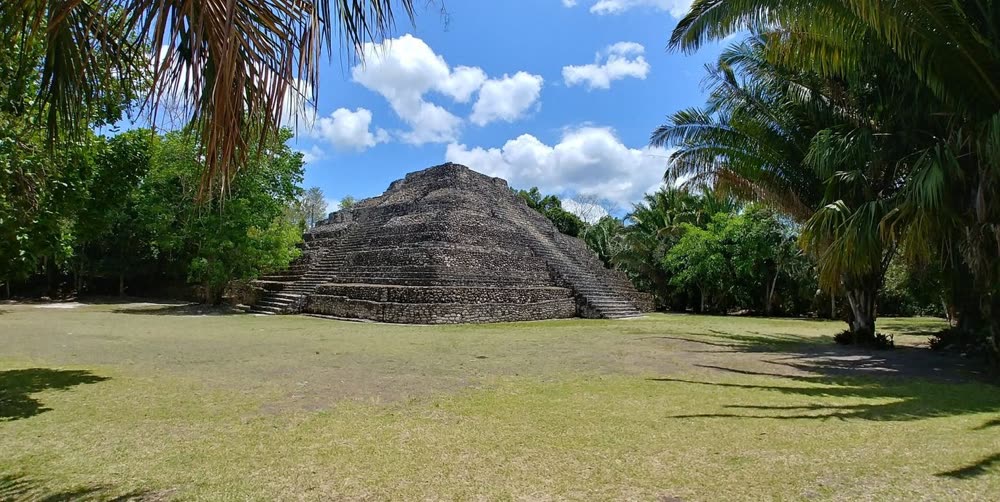 ChacchobenPhoto courtesy of chetumaltours.com
What you'll see there: Round-cornered temples on the Great Platform, beside a lagoon in the Lakes Region, on the way to Mahahual.
In the game: You arrive in one of Chaac's downpours. You push stone rollers so the rainwater runs down the stairway to the chultún.
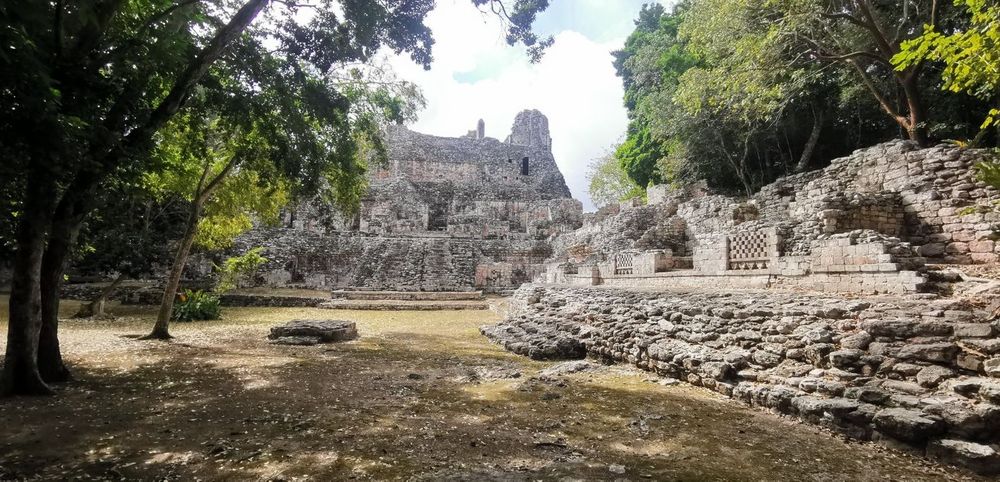 BecánPhoto courtesy of chetumaltours.com
What you'll see there: A city ringed by a moat almost two kilometres long, crossed by seven causeways, with twin-tower temples and vaulted passages.
In the game: The moat splits the level. You lower the bridge with henequen winches, then survive the ambushes in the tunnels.
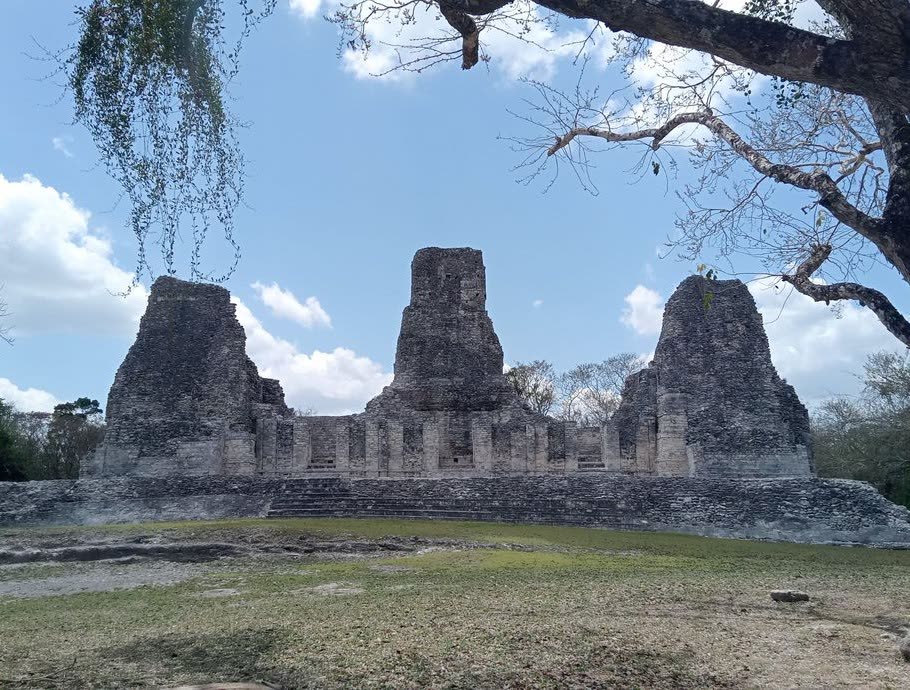 XpujilPhoto courtesy of chetumaltours.com
What you'll see there: Structure I has three solid towers with false stairways no one could climb, topped by decorative temples: unique in the Río Bec style.
In the game: The three towers dominate the level. You aim quartz prisms so light climbs each false stairway to its roof comb.
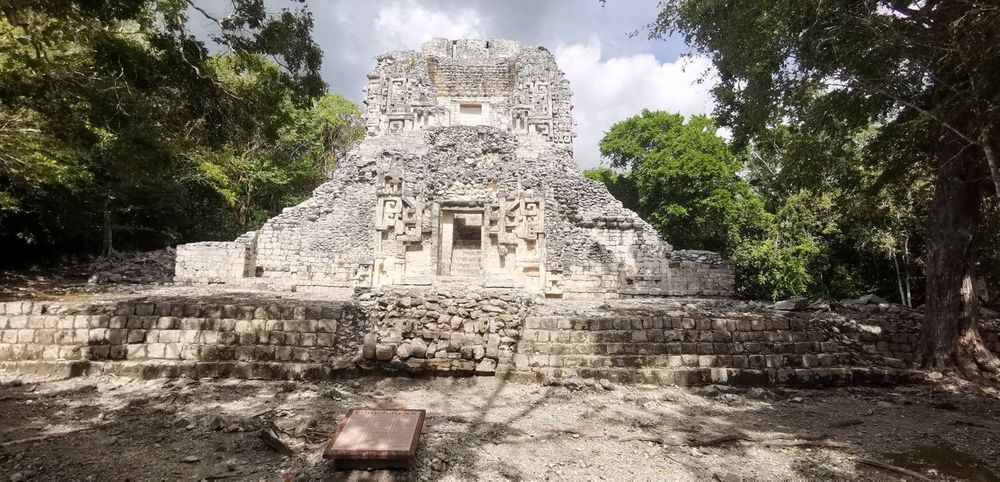 ChicannáPhoto courtesy of chetumaltours.com
What you'll see there: The "House of the Serpent's Mouth": the whole façade is the face of the Earth Monster and the door is its open mouth, with stucco fangs.
In the game: Walking in means entering the belly of the earth. You cross a corridor of fangs bursting from the floor and leave copal, jade or cacao on the altars of Venus.
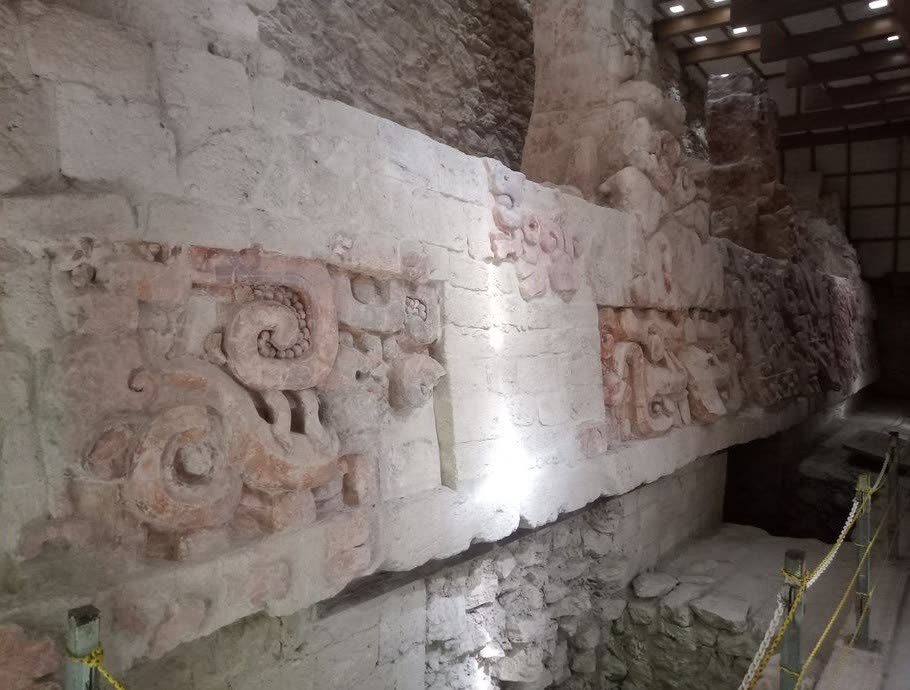 BalamkúPhoto courtesy of chetumaltours.com
What you'll see there: In the Calakmul reserve, a stucco frieze almost 17 metres long with kings seated on the jaws of the earth, toads and reclining jaguars.
In the game: The frieze lines the underground gallery, lit by torches. You light the braziers in the colour of each direction: red east, white north, black west and yellow south.
The plants in the game come from traditional Maya medicine and the stories told in the villages of the south: trees that burn, trees that heal and resins given as offerings.
These are cultural references turned into game mechanics, not recipes or remedies.
Gameplay footage and the cinematics that tell each legend before you face it. More shorts on the way: Camazotz vs. the Jaguar Warrior and the hunt for the Huay Chivo.
Tunkul, huehuetl, turtle shell, conch trumpet and ocarinas like the Jaina figurines. The double flute, two voices beating against each other, is the voice of Xibalbá. More than 70 pieces composed for the game: every boss and every legend has its own.
When you bring down a Lord of Xibalbá, time freezes for 0.15 s, cinema bars slide in and the camera drops to his body while time returns from 12% to 100% in just over two seconds. Every normal hit also has weight: a 2, 4 or 6 frame pause depending on its strength.
Moving shots that change lens, volumetric fog, dawn light pouring through the cave mouth and 160 bats spiralling overhead. It all runs inside the game engine; none of it is pre-rendered video.
A narrator tells each legend with adapted Maya pronunciation (x sounds like "sh": alux is said "alushe"). The music dips on its own while he speaks, and everything is subtitled in Spanish and English.
Camazotz's wings have an arm, a forearm and four long clawed fingers; the skin billows, tears at the edge and glows when backlit. The Lords have gestures and weak points you can read during the fight.
Chacchoben, Kohunlich, Dzibanché, Xpujil, Balamkú and Chetumal Bay inspire the levels. You can visit them for real on the chetumaltours.com tours.
 Animated series · In development
We are preparing the bible for an eight-episode animated series: Jacinto, his three fallen mentors, the Alux of the cornfield and the legends of the peninsula, from the blue hole in the bay to the Black Sun. Each episode is born from a level of the game and a real place in southern Quintana Roo.
A project in development by ULYZONE++. Producers and platforms interested: Contact us
In 1562, in Maní, the books of the Maya were burned. And the oldest book of the Popol Vuh, the one its own authors said could no longer be seen, vanished. What if they were not lost after all?
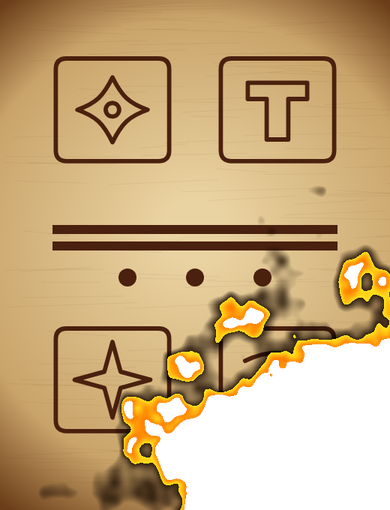
The Maní Pages. Twenty pages, one for each day of the Tzolk'in, carried by the wind, still smoking, to the depths of Xibalbá. Follow the smoke to find them.

The Book of Counsel. Its pages did not burn: the water swallowed them. They sleep in the cenotes, in the Sunken City of K'ux and at the bottom of Taam Ja'.
It was never just one book. Mesoamerica wrote for more than two thousand years, and almost all of it was lost: to fire, to water, to the earth that rotted it, to those who ordered it erased, or because no one could read it anymore. In the second chapter, Jacinto goes down for them.
The Cascajal Block: 62 signs that may be the oldest writing in the Americas. No one can read it.
The reliefs of San José Mogote and Monte Albán hold a script that is only half understood.
Its stelae tell the tale of Seven Macaw, a thousand years before the Popol Vuh was written down.
Six codices buried with their owners, from Uaxactún to Copán, crumbled to dust.
After the Tepanec War, Itzcóatl ordered the old histories burned and new ones written.
The ancient book of the Popol Vuh, which its authors said "can no longer be seen".
Friar Diego de Landa burned the books of Yucatán: "we burned them all".
Verified historical facts; what the books say inside the game is fiction inspired by them.
Pirates sailed up the Estero de Chac to raid Bacalar. The last time, they took an amate page that had survived the fire of Maní. That night an old jmen lit copal and spoke to the estuary… and the water turned red.
An invented legend, inspired by the pirate raids Bacalar suffered in the 17th century. Narrated in Spanish.
What the fire did not burn, the water kept.
Maní and the loss of the original Popol Vuh are history; what the pages tell is fiction inspired by it.
Add Xibalbá: El Descenso to your Wishlist. We'll let you know when the Act I demo drops and when the game launches.
Preliminary requirements; to be confirmed before launch.
Ideas, legends from your region, questions about the game: we read them all here.
Loading comments…